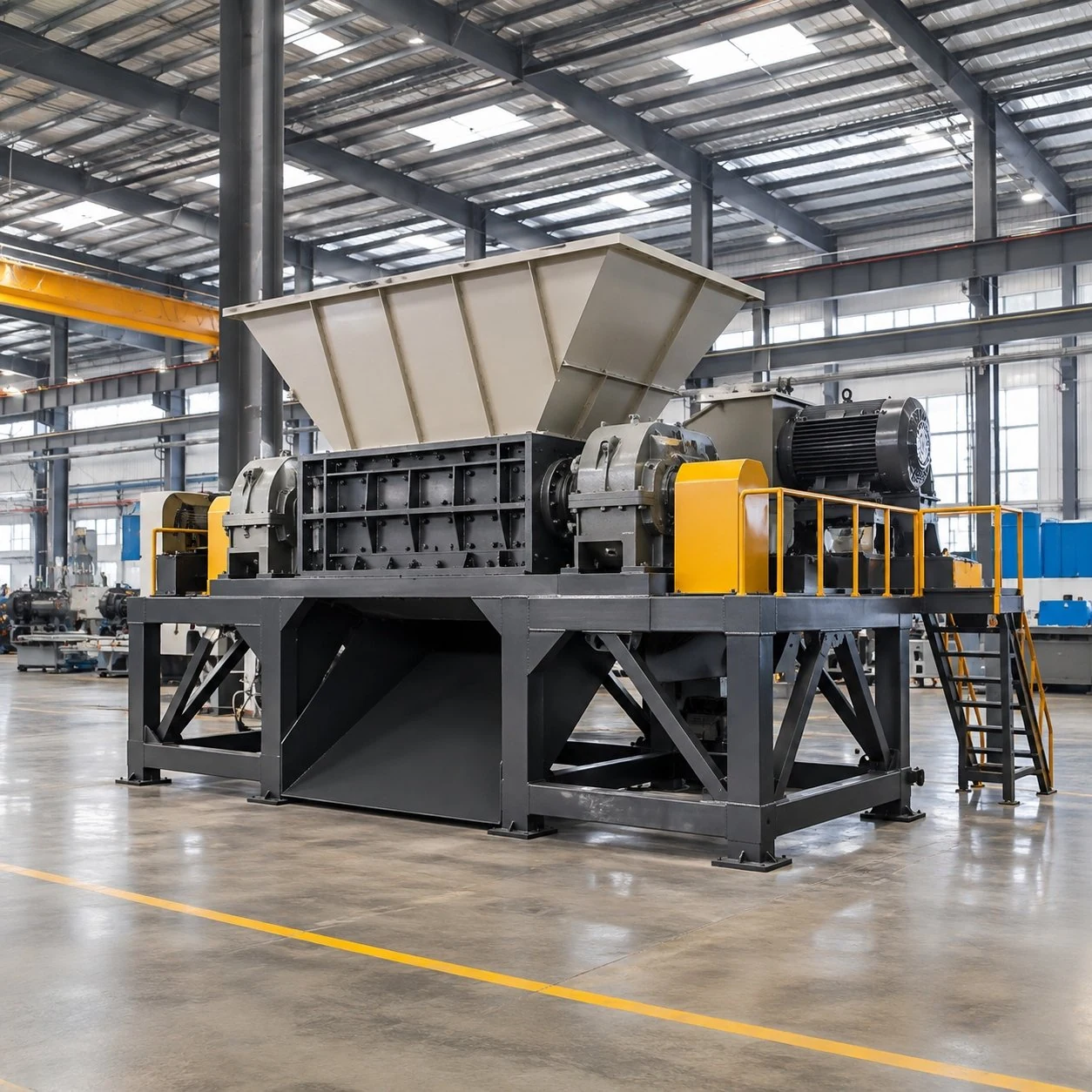
A dedicated place to plan a FYXFER shredding project
FYXFER SHRED focuses on the industrial shredding equipment of Yangzhou Fengyue CNC Technology Co., Ltd. (FYXFER). It brings the FY-SS01 plastic-shredder family and FY-SS02 heavy-duty platform together with material-selection guidance and reference documents.
FYXFER manufactures industrial shredders and stretch wrapping equipment. This site is arranged around the shredding side of that work: understanding the waste stream, selecting a machine family and defining how it will operate within the customer’s process.
Begin with the application
A model name is a starting point for discussion. Material composition, normal and maximum feed size, contamination, output requirements and operating duty determine the questions that must be resolved.
For suitable plastic production scrap, compare the mini, compact and two-stage FY-SS01 paths. For bulky, tough or mixed industrial waste, review the FY-SS02 project platform.
From material review to project handover
- Clarify the job. Review the material, output target, workflow and site information.
- Define the configuration. Confirm the machine arrangement, feeding and discharge, controls, guarding, interfaces and options included in the project.
- Coordinate production and checks. Align assembly, functional review and applicable documentation with the confirmed scope.
- Prepare delivery and support. Discuss packing, handover information, operating guidance and any applicable remote or spare-parts assistance.
Inspection, documentation and support requirements vary by machine, configuration and destination. Confirm the applicable scope during the project discussion.
See the equipment in the context of the job
The compact and heavy-duty routes address different starting conditions. Routine, manageable production scrap can begin with FY-SS01 review; bulky, tough or variable feed calls for a closer look at the FY-SS02 platform and its handling requirements. The material and intended result remain the basis for the final choice.
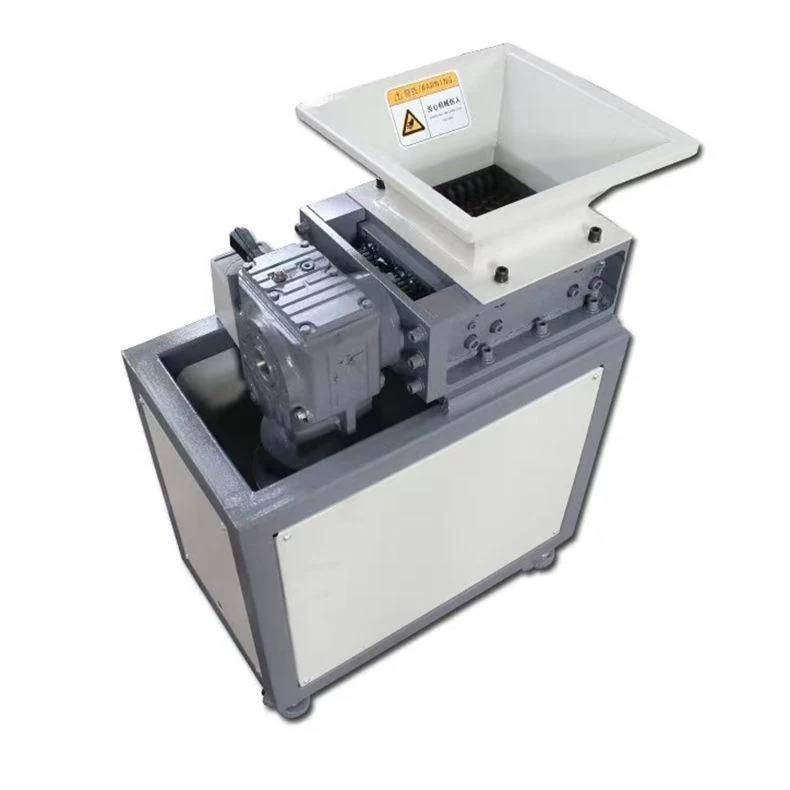
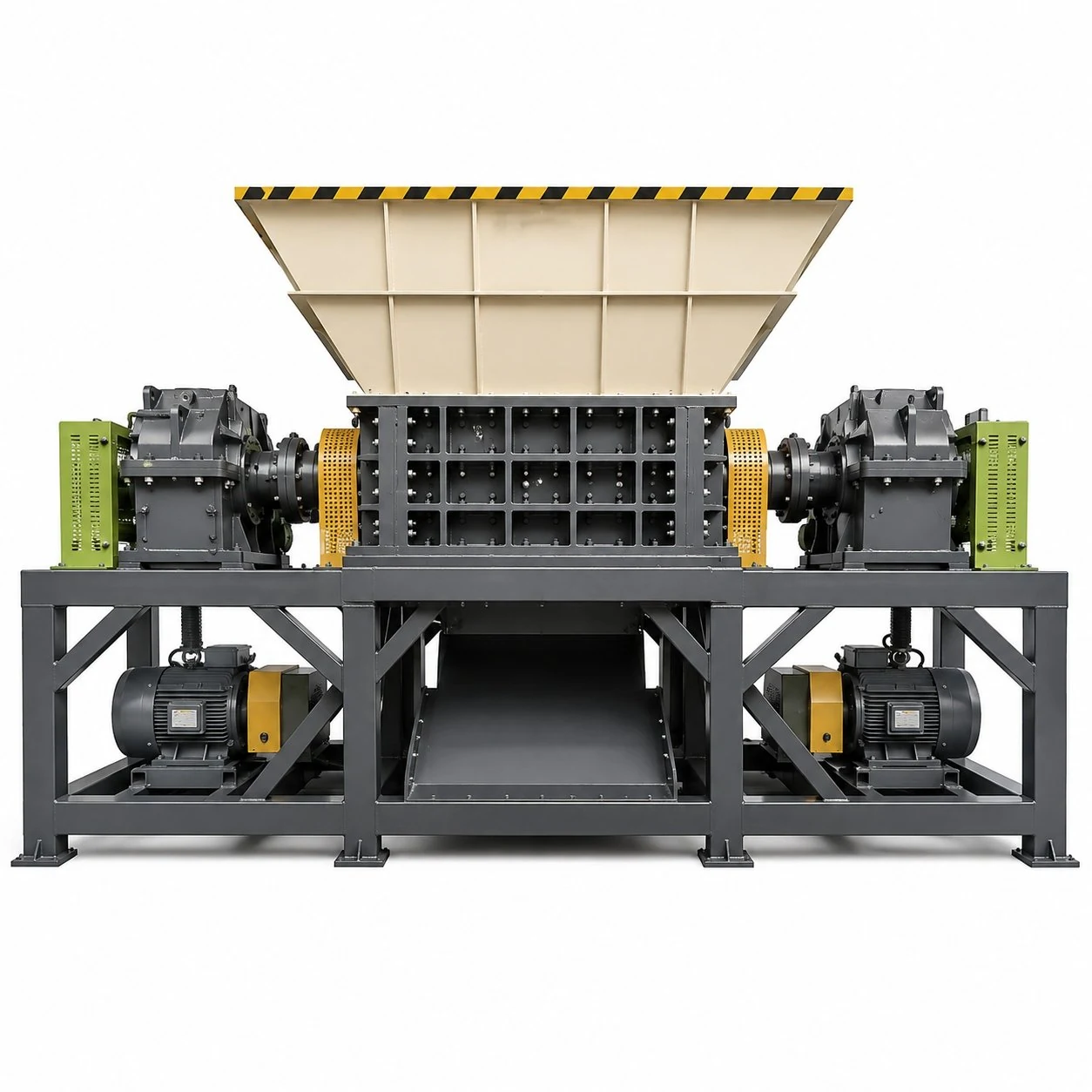
Equipment photographs help explain hopper, frame and access arrangements. The quotation and approved drawings identify the machine actually included in a project.
Keep the project decisions clear
| Stage | What should be clear |
|---|---|
| Material review | Normal and difficult feed, contamination, loading pattern and the output required by the next process. |
| Configuration | Machine arrangement, cutters, drive, feeding and discharge, guarding, controls and optional equipment. |
| Checks and documentation | The applicable functional checks, acceptance criteria and documents agreed for the machine and destination. |
| Handover preparation | Confirmed dimensions and weight, packing, shipping method, operating information and the agreed support scope. |
When a requirement changes, relate it back to the material, process or site constraint that caused the change. A clear record helps distinguish a published reference from a proposed configuration and from the final approved supply.
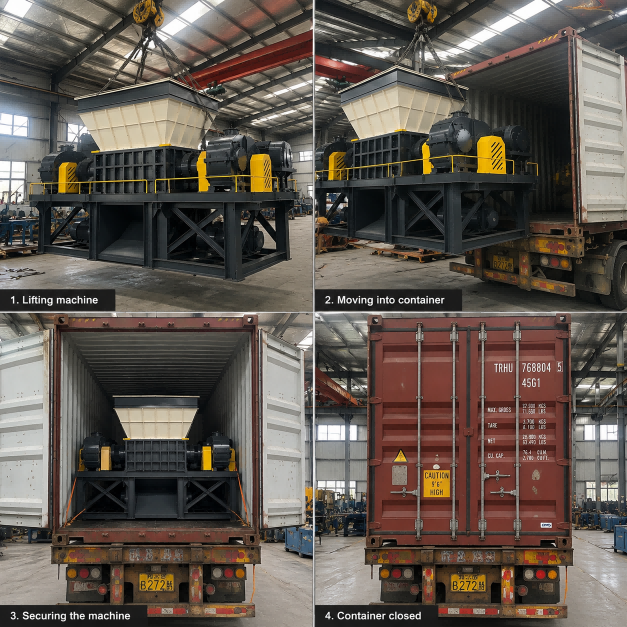
These reference loading views illustrate delivery preparation. Actual packing, lifting and handover arrangements follow the approved equipment configuration and agreed project scope.
What should a remote equipment review cover?
Provide the project context in advance and agree the configuration or functions to review. Machine appearance, a material demonstration and an agreed acceptance test answer different questions; confirm which evidence is needed for the current decision.
Are the same documents and support arrangements included in every project?
Requirements vary with the configuration and destination. Discuss the applicable checks, operating information and any installation, commissioning, remote or spare-parts assistance as part of the quotation.
Start with the material brief and the machine-family comparison to make the first discussion concrete.
Review the machine in the context of your material
Photos, process information and representative samples help make the technical discussion more useful. Factory visits or a remote video review can be coordinated with the FYXFER team according to the project stage and schedule.