Start with the waste you need to process
Material shape, thickness, composition and contamination affect how a shredder feeds and cuts. FYXFER SHRED helps evaluate the complete waste stream and required result before a machine configuration is selected. Use the application groups below to prepare a useful project enquiry.
Explore production scrap, sprues and runners or bulky industrial waste.
Plastic production scrap
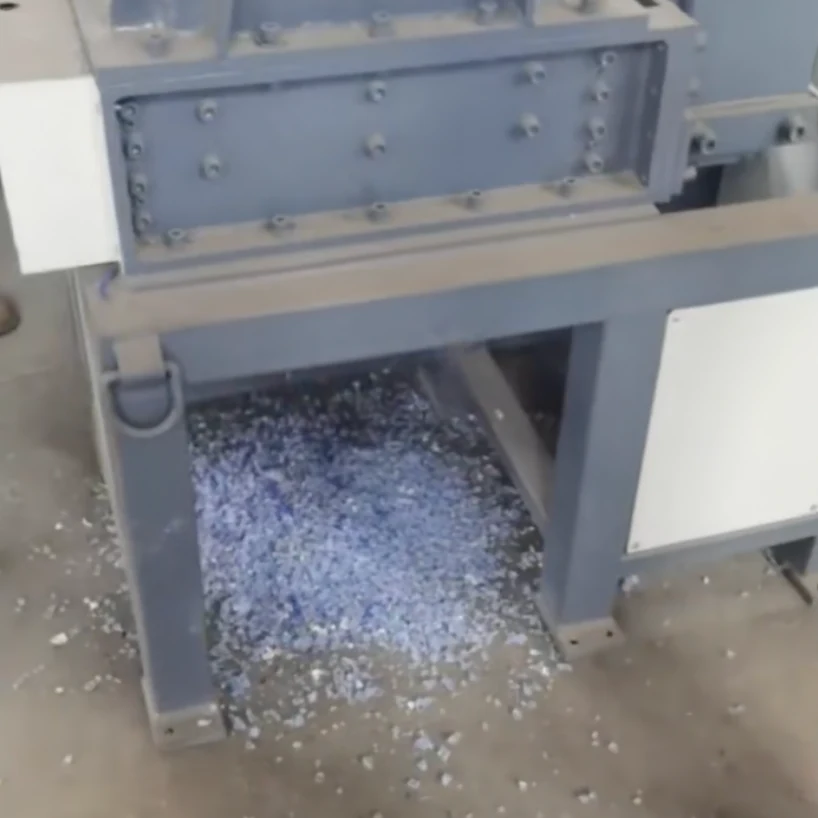
Suitable trims, sheet offcuts, profile and tube offcuts, small rigid containers and rejected parts can be evaluated for localized size reduction. Reducing the material can make collection, transfer and preparation for downstream recycling more manageable.
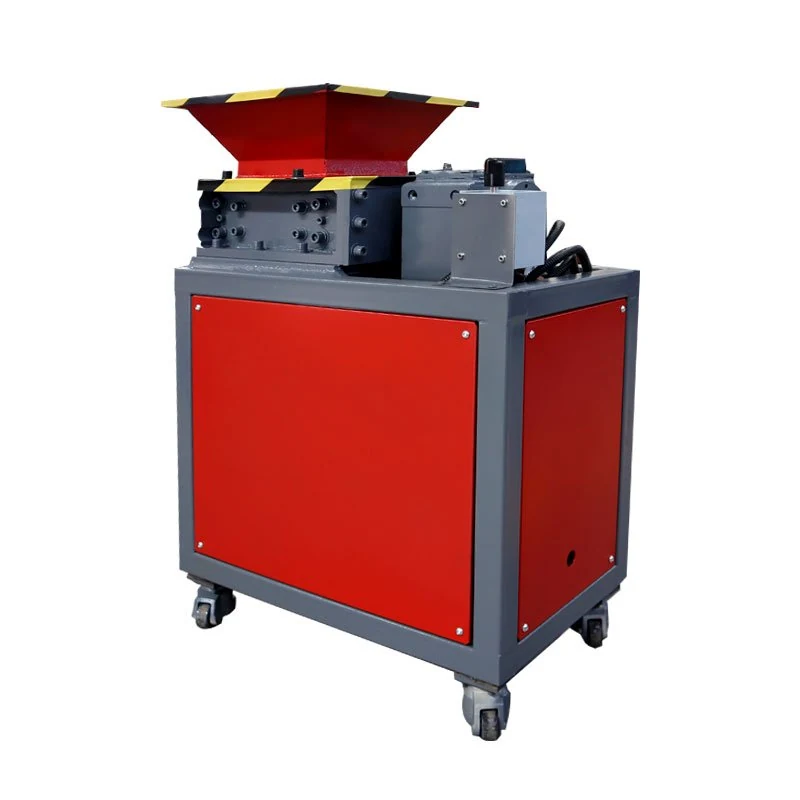
The FY-SS01 range provides mini, compact and integrated two-stage starting points. Small, intermittent jobs may suit a mini configuration; routine manageable scrap begins with a compact review. A finer downstream requirement may call for an additional reduction stage.
What to check
Identify the polymer and grade, maximum piece dimensions, wall thickness, flexibility and normal contamination. Long strips, tubes or profiles need a feeding review because their shape can affect how they enter the cutting chamber. State whether the output will be collected, sorted, conveyed or processed further.
Injection molding sprues and runners
Runner frames, central sprues, gates and rejected molded parts require both overall dimensions and section measurements. A light frame can span a hopper while its thick central sprue creates a different cutting load.
PP, HDPE, ABS and PC are examples for evaluation. Grade, reinforcement, fillers and metal inserts can change suitability. Provide a photograph of the full frame with a scale, plus close-ups of its thickest sections.
Complete frame or pre-cut feed?
Confirm the safe usable opening, feeding clearance and cutting arrangement before assuming a complete frame can be processed. Pre-cutting or another machine configuration may be needed. FY-SS01 compact models are a starting point for suitable routine scrap; larger, thicker or tougher pieces may require FY-SS02 review.
Bulky and demanding industrial waste
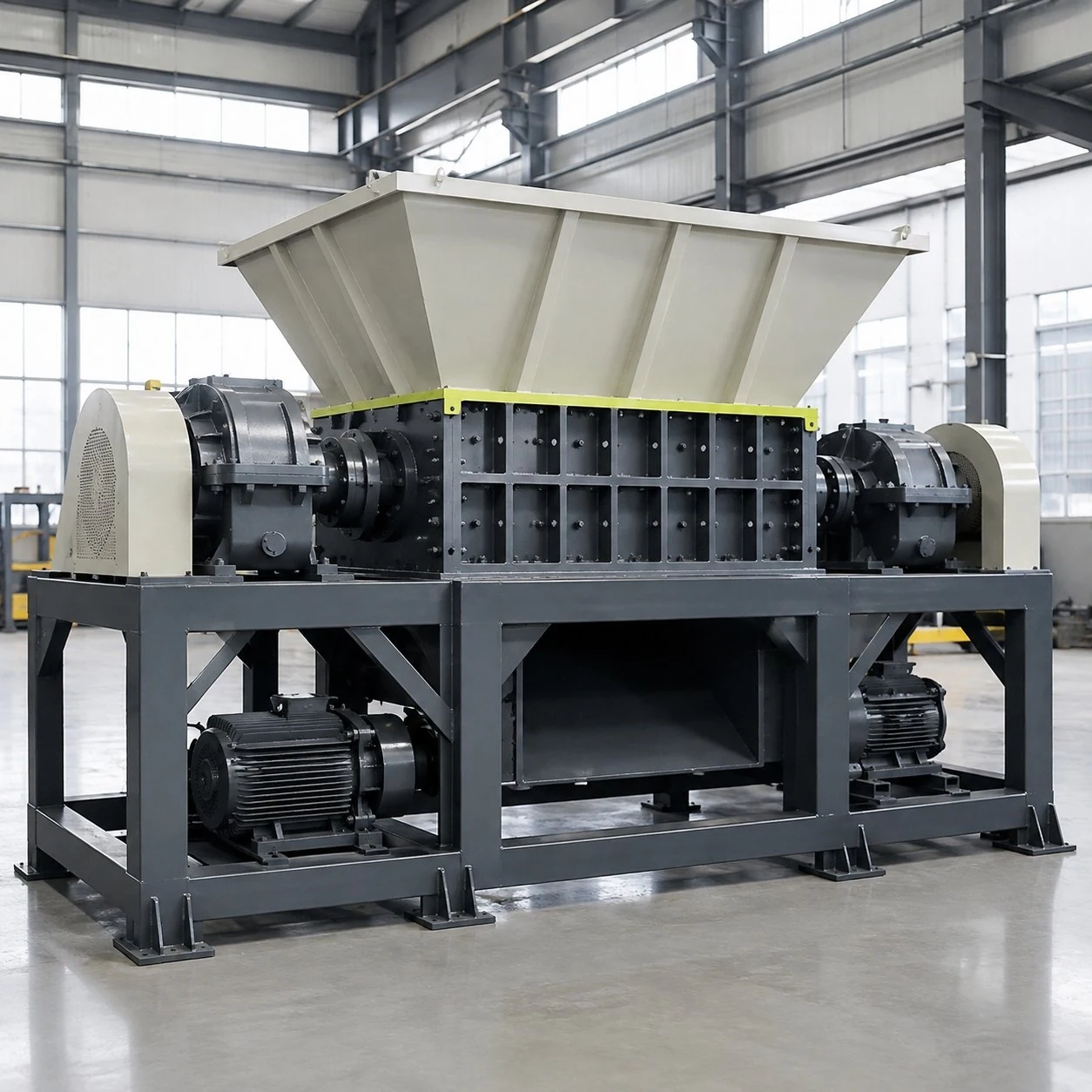
The FY-SS02 platform can be evaluated for large plastic parts, suitable rubber and tire-derived feed, wood and pallet waste, textiles, flexible materials, and selected light-metal or mixed industrial scrap.
Each stream needs a separate assessment. Describe the largest and toughest pieces, density, steel content, embedded objects, moisture and other contamination. Some contaminants require removal or upstream preparation. Material-category names alone do not establish compatibility.
Plan the process around the shredder
Include the loading method, collection or discharge arrangement, sorting and separation needs, and available installation space. Conveyors and control interfaces can be reviewed alongside the cutting system. Define the next process so the required output and acceptance criteria are clear.
Compare material form, not only material names
| Feed description | Useful evidence | Question to resolve |
|---|---|---|
| Rigid molded rejects and runners | Whole-part dimensions, resin grade, thick sections, fillers and inserts. | Can the complete part enter and be gripped, or is preparation needed? |
| Long trims, strips, tubes and profiles | Length, cross-section, wall thickness, flexibility and the proposed loading method. | How will the shape be presented without bridging or inconsistent feeding? |
| Large hollow parts or bulky mixed feed | Largest piece, nesting or bundling, unit weight or bulk density and contaminants. | Which hopper, cutting and handling arrangement should be evaluated? |
| Rubber, wood, textiles or selected mixed scrap | Composition, construction, steel or embedded objects, moisture and preparation. | What material limits and upstream sorting must be defined for the project? |
These are enquiry categories, not a universal compatibility list. Keep unlike streams separate in the first description so that one easy sample does not stand in for a more demanding mixture.
Build a sample set that represents production
- Separate and identify: label different materials or formulations and explain their proportions or frequency in normal production.
- Include difficult pieces: show the largest, thickest, most resistant or awkwardly shaped items alongside routine scrap.
- Describe the condition: disclose moisture, temperature, inserts, residues and other contamination rather than sending only clean material.
- Agree the result: state the downstream use, acceptable output and how feeding time and processed amount will be recorded.
Does successful shredding mean the output is ready for reuse?
The required next process decides that. Material intended for storage or sorting can have different requirements from material entering washing, granulation or extrusion. Confirm the output condition and any additional processing before treating primary reduction as the final result.
Use the material and process checklist to organize the evidence for your application.
Give the review a representative starting point
Send normal pieces and the most demanding pieces in photos or a representative sample when requested. Add measured kg per hour or shift, peak batches, operating hours, target output, destination power supply and downstream use.
Suitability, throughput and output size are confirmed for the actual material and selected configuration. Use the guides to organize your requirements, then discuss your application with FYXFER SHRED.