FYXFER SHRED
Choose a shredder around the material you need to process
Compare FY-SS01 mini, compact and integrated two-stage shredders for suitable plastic production scrap, or explore FY-SS02 for bulky, tough and mixed industrial waste. Start with the feed material, the required output and the way the machine will fit into your process.
Compare shredder options · Discuss your material
Four starting points for your project
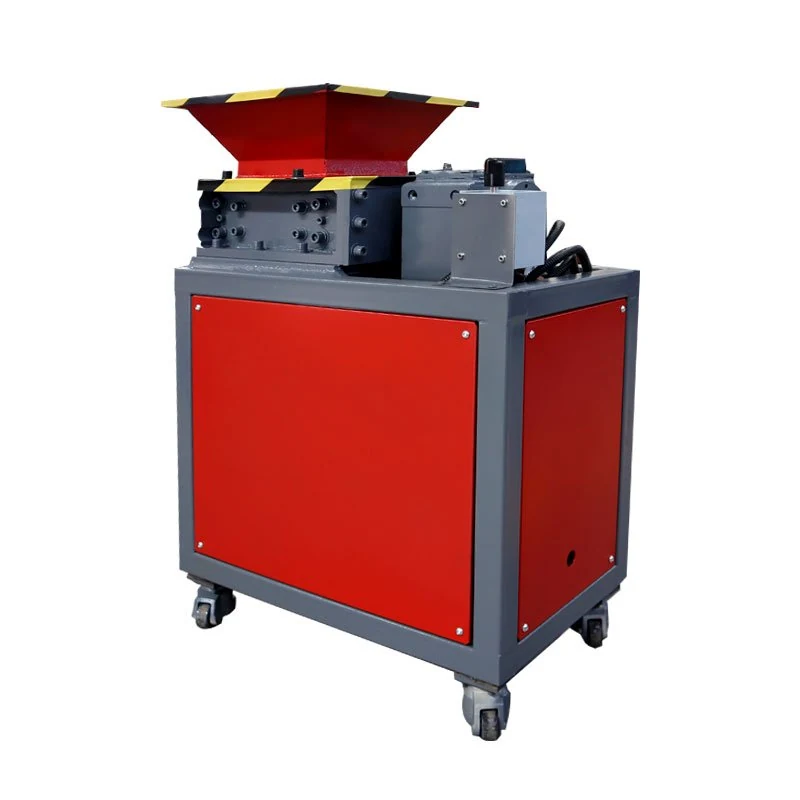
Mini: FY-SS01-180
A starting point for small feed pieces, lower-volume work and workshops where floor space matters. Check the actual piece shape and operating schedule before choosing this compact route.
Compact: FY-SS01-300 / 400 / 500
Compare these configurations for manageable runners, trims, offcuts and rejected plastic parts. Larger or more demanding feed needs its own material review.
Two-stage: FY-SS01-300-2S / 400-2S / 500-2S
An integrated upper and lower four-shaft cutting arrangement for projects that need a secondary reduction step. Confirm the required output and processing rate with representative material.
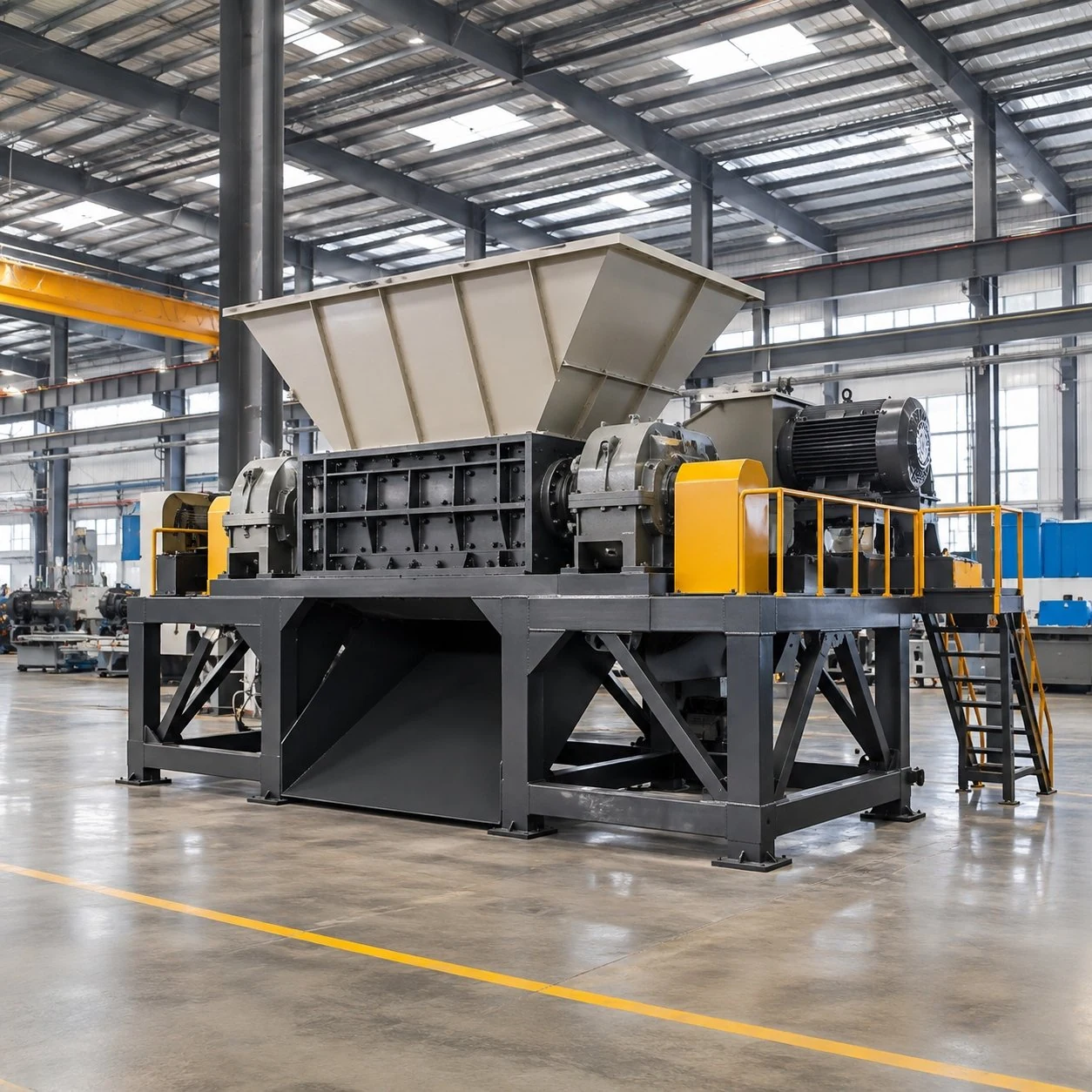
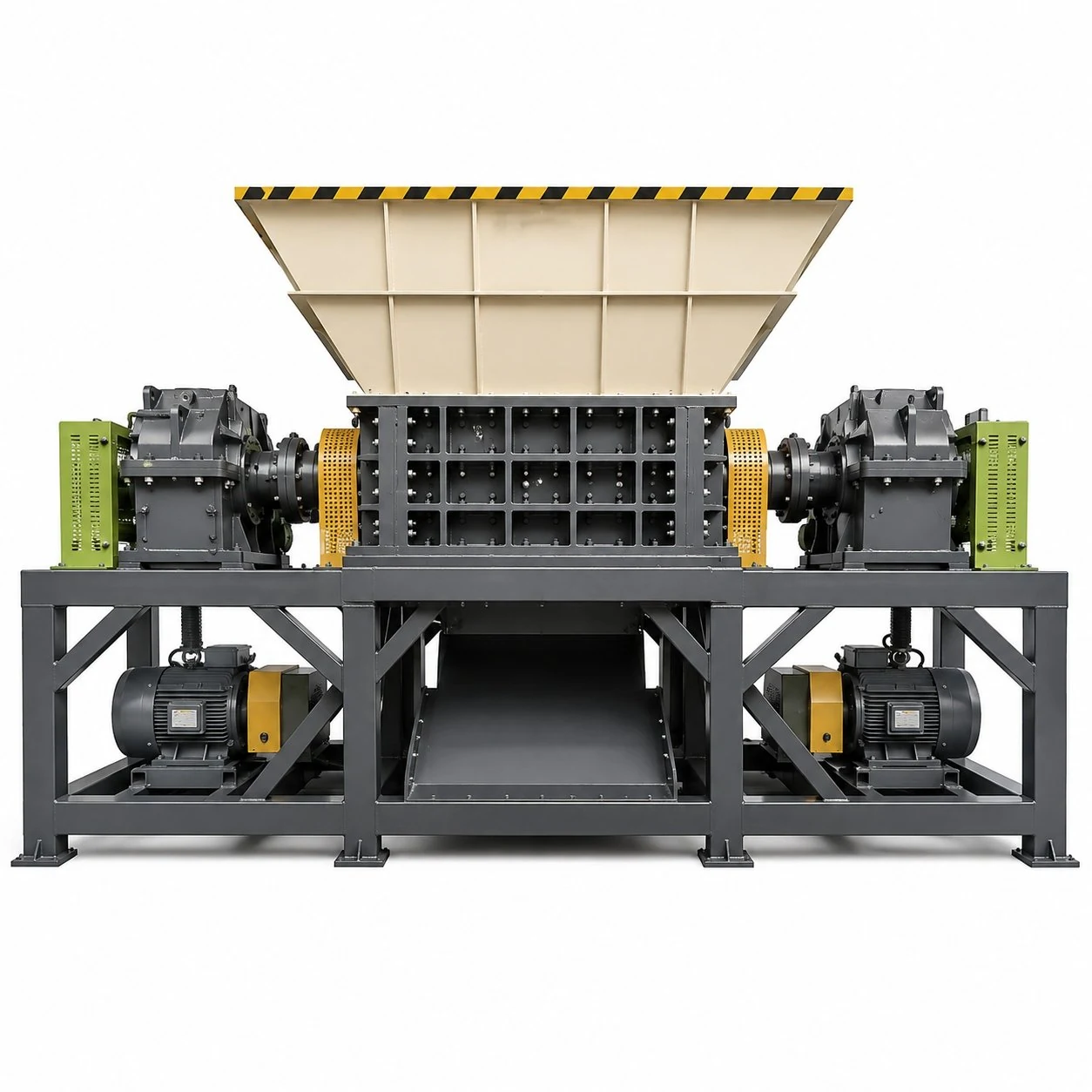
Heavy-duty: FY-SS02
A dual-shaft platform to review for bulky, tough, mixed or irregular industrial waste. The hopper, cutters, drive and material-handling arrangement follow the agreed application.
Start with the waste stream
- Plastic production scrap — identify the polymer, part dimensions, consistency and collection method.
- Injection-molding sprues and runners — show complete runner frames, branch thickness and rejected parts.
- Bulky or mixed industrial waste — describe the most difficult pieces and any contamination.
These are selection routes. Material suitability, output and operating duty must be confirmed for the proposed machine configuration.
Plan what happens before and after shredding
Loading, discharge and the next processing step affect the complete system. Review the feeding method, hopper access, collection or conveyors, separation, guarding and control interfaces alongside the shredder.
Prepare a material and process brief or read the series guides and reference datasheets.
Make the first discussion specific
Send material photos, normal and maximum feed dimensions, your required output, expected volume and destination power supply. Include the current feeding and discharge arrangement when known.