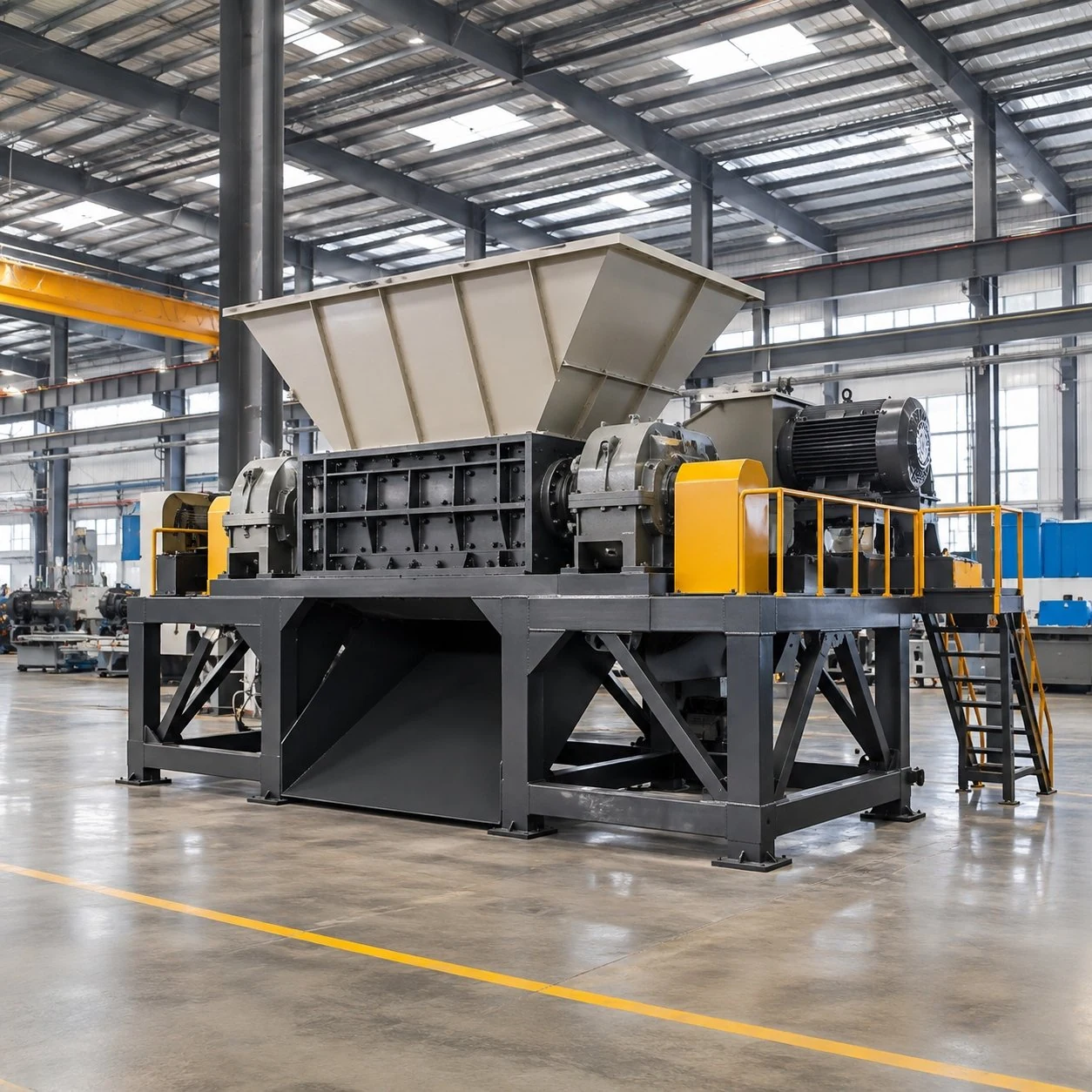
Define a high-duty industrial waste-processing project
FY-SS02-1600 is a published extra-large project class for high-duty industrial waste-processing lines. It belongs to the FY-SS02 dual-shaft platform, with the machine and supporting equipment configured around the confirmed material and process.
High-duty positioning does not establish a universal throughput, uninterrupted operating schedule or motor rating. Define the actual workload, difficult feed and required output before fixing the drive, cutters, hopper and layout.
FY-SS02-1600 configuration reference
| Item | Basis for review |
|---|---|
| Model | FY-SS02-1600 |
| Project class | Extra-large class for high-duty industrial waste-processing lines |
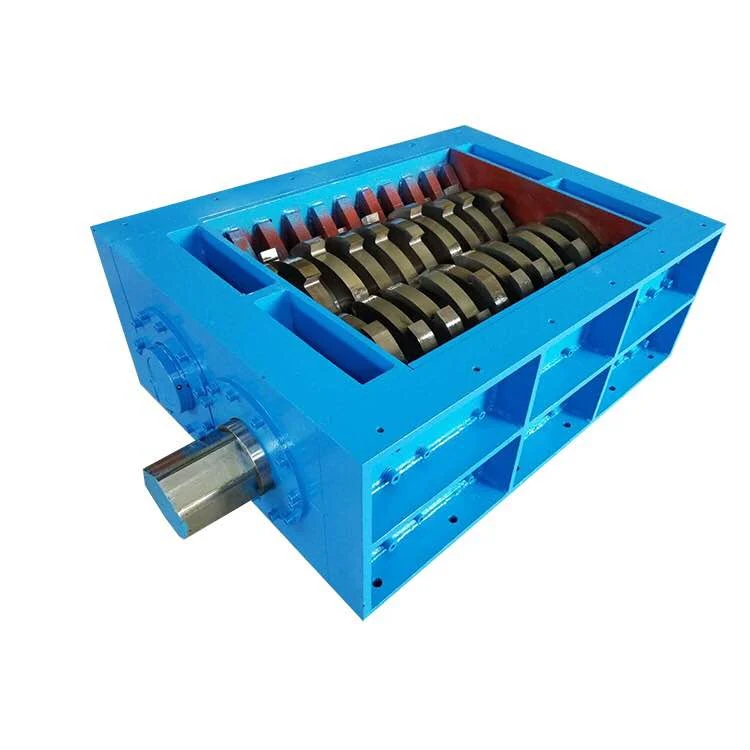
| Cutting system | Dual shaft; cutter geometry selected for the material and required result |
| Drive | Project-defined; drive approach and motor ratings to be confirmed |
| Feed opening, dimensions and weight | Confirm in the approved project drawing |
| Throughput and output size | Confirm against actual feed, loading, configuration and duty |
Describe the real workload behind a high-duty project
The extra-large project class should be reviewed against a defined waste-processing workload. Record when material arrives, the normal and peak batches, and the operating time available for feeding, reduction, collection and planned maintenance.
- Representative feed
- Include the full composition, maximum pieces and most resistant sections, along with contamination and changes expected during normal operation.
- Operating pattern
- Separate continuous processing requirements from batch-clearing targets and identify upstream or downstream interruptions.
- System acceptance
- Define the required output and sustainable process result, with the loading and transfer conditions under which it will be evaluated.
Evaluate sustainable line performance
Primary reduction is one part of the industrial line. Assess the dual-shaft cutting arrangement together with feed consistency, protection response and downstream removal rather than using a short peak cutting observation as the whole result.
- Agree the incoming material preparation and the loading system needed for the planned batches.
- Review cutter engagement, tearing and shearing with normal and difficult feed under stated conditions.
- Record interruptions relevant to the task, including loading, overload recovery and downstream restrictions where observed.
- Judge the complete output and handling result over an agreed representative operating period.
Describe the operating duty as well as the waste
State the required hourly or daily volume and the operating hours used to plan it. Include the loading pattern and variations in the waste stream. The drive and cutting system should be reviewed against those conditions, together with the required discharge and downstream process.
- Waste composition, normal and maximum piece size, density and difficult sections.
- Contaminants, embedded objects and the agreed upstream preparation.
- Target volume, operating hours, loading pattern and required output distribution.
- Feeding, discharge, separation, controls, power supply and site constraints.
Set acceptance criteria for the complete process
Agree representative material and the conditions under which the proposed configuration will be evaluated. Review cutting, overload response, discharge and interfaces with other equipment. A quotation should distinguish the shredder from optional conveyors, separation and controls, and identify the agreed machine limits.
Does the largest class automatically suit every mixed waste stream?
No. Material composition, resistant pieces, contaminants and the required result still govern selection. A larger class label does not remove the need to review feed preparation, cutters, protection strategy and operating limits.
Plan maintenance and interfaces as part of production
An industrial operating plan should allow access and time for the maintenance required by the confirmed material and machine. Keep the line's collection, service and component-handling routes visible in the layout review.
- Request inspection criteria, cutter-service information and spare-parts identification for the proposed feed and wear conditions.
- Agree isolation, guarding and control interfaces across the shredder and connected equipment before commissioning plans are fixed.
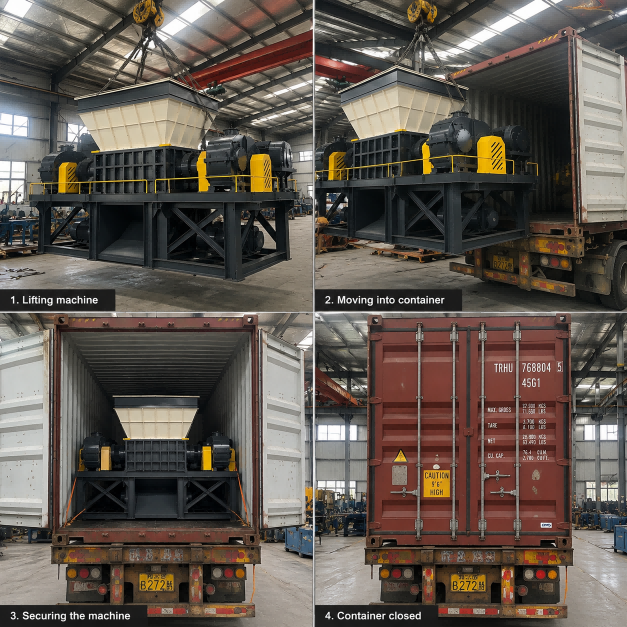
- Confirm final dimensions, weight, component access and lifting information from the approved project documents.
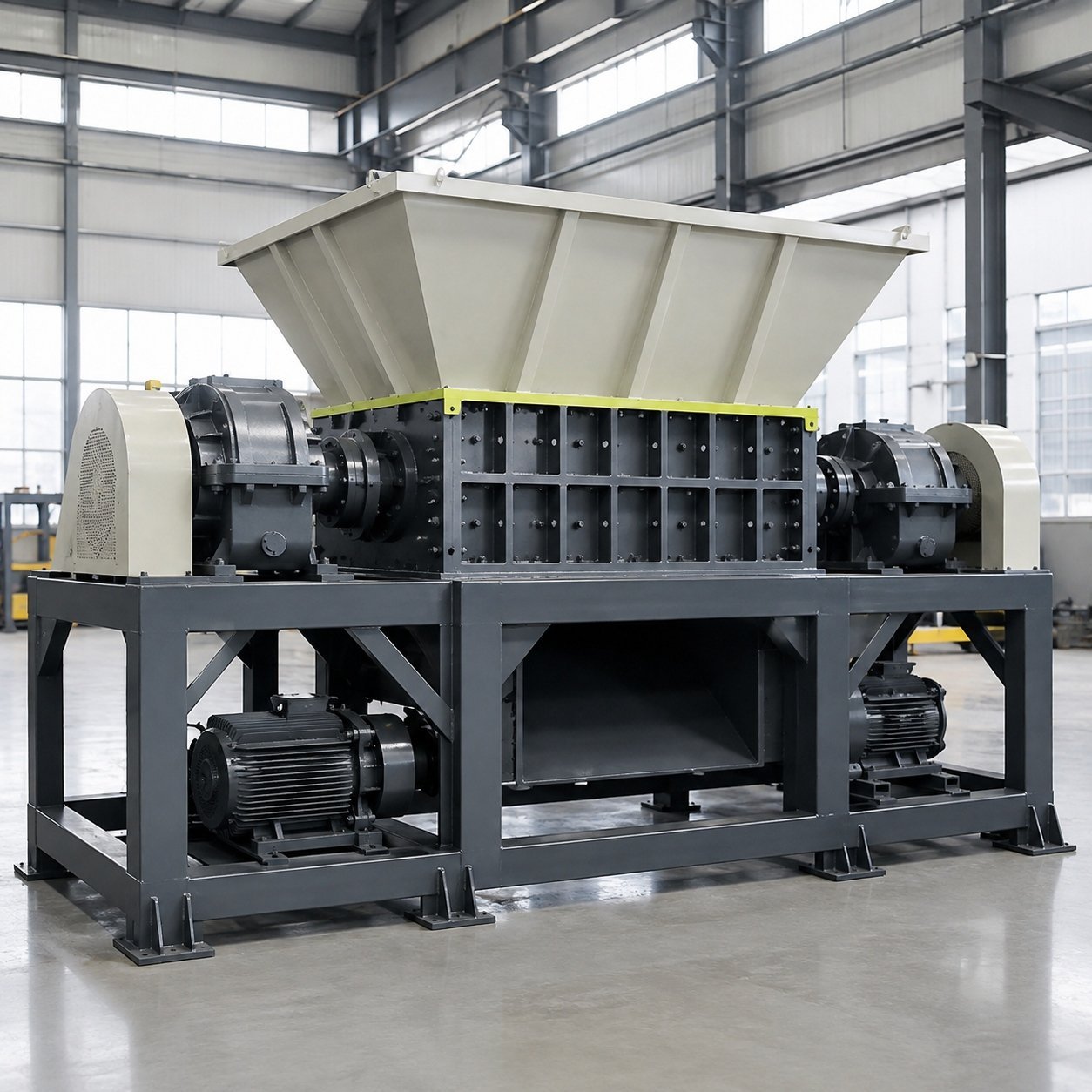
FY-SS02-1600 Heavy-Duty Dual-Shaft Shredder — practical questions
Does high-duty positioning mean uninterrupted operation?
It identifies the project focus, not a universal operating schedule. Define the intended duty, feed conditions and maintenance provision, then agree the operating limits of the supplied system.
How should an industrial capacity result be recorded?
State material composition, feed condition, batch weight, loading and downstream arrangements, output criteria and relevant interruptions. This connects the measured result to the process the site actually intends to run.
Why compare the 1400 and 1600 with the same requirements?
Their project positioning differs, but neither code fixes a universal capacity or dimension. A shared material and process brief lets the proposed cutting systems, handling equipment and acceptance evidence be compared fairly.
Prepare your FY-SS02-1600 review
Send material photographs, the most difficult expected pieces and the process information above. Final specifications, options and acceptance criteria should be recorded in the project quotation and approved drawings.
Download the FY-SS02 series selection guide (PDF) for the shared selection framework. It is a series reference, not a final specification for this model.
Review FY-SS02-1400 · Return to the FY-SS02 series · Discuss your material with FYXFER SHRED