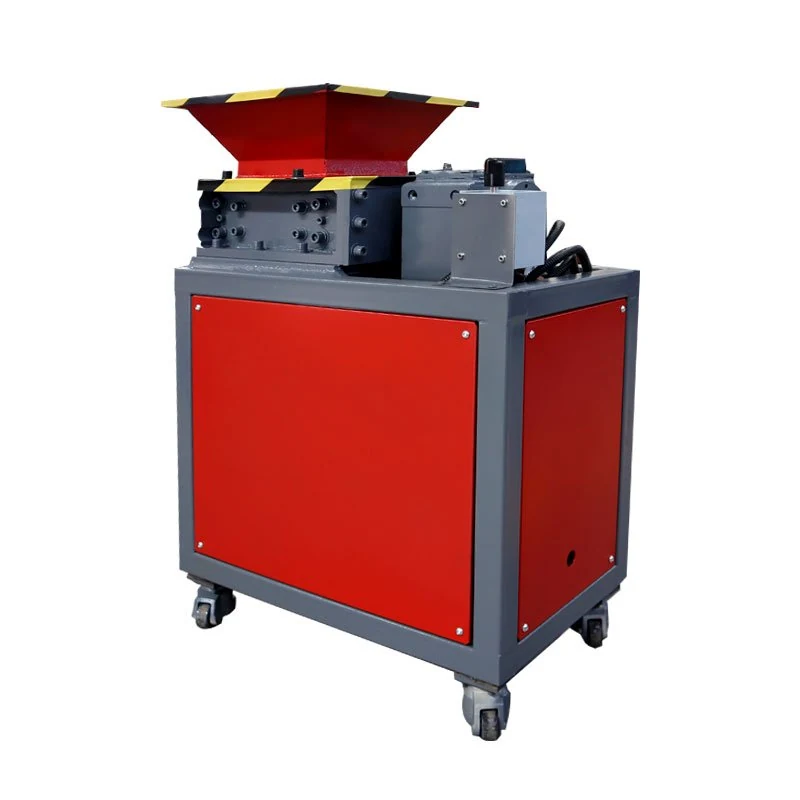
A compact starting point for routine plastic scrap
The FY-SS01-300 is a reference starting point for reducing suitable runners, trims, offcuts and smaller rejected plastic parts near production or sorting areas. Its published build uses a 3 kW drive. Selection depends on the actual scrap, the feeding arrangement and what the next process needs from the shredded material.
Use this page to review the reference configuration, then compare it with your largest and most difficult pieces. For other compact or integrated two-stage options, see the full FY-SS01 series.
Which scrap is a useful starting point?
| Scrap stream | Information needed |
|---|---|
| Runners, sprues and smaller moulded rejects | Polymer grade, complete frame dimensions, thickest section and any inserts |
| Sheet, profile and tube offcuts | Longest piece, section shape, thickness and intended feeding method |
| Small rigid containers and packaging parts | Material formulation, shape, residues, moisture and contamination |
| Bulky, mixed or more demanding waste | Review a different cutting arrangement or the FY-SS02 platform before selecting this model |
These are review routes, not an approved material list. Parts that share a polymer name can differ in thickness, toughness, additives and feeding behaviour. Embedded metal and other contamination must be disclosed.
For branched moulding waste, use the sprue and runner checklist to distinguish the size of the whole frame from the load created by its thickest section.
FY-SS01-300 reference specification
The following values describe the published reference build. They are a starting point for a quotation and drawing review; final supply follows the agreed project configuration.
| Parameter | Reference value |
|---|---|
| Motor | 3 kW, 4-pole; one motor |
| Electrical supply | 380 V, 50 Hz, three phase |
| Reducer | K77-16 |
| Cutter / shaft speed | 16 rpm; confirm the ordered drive |
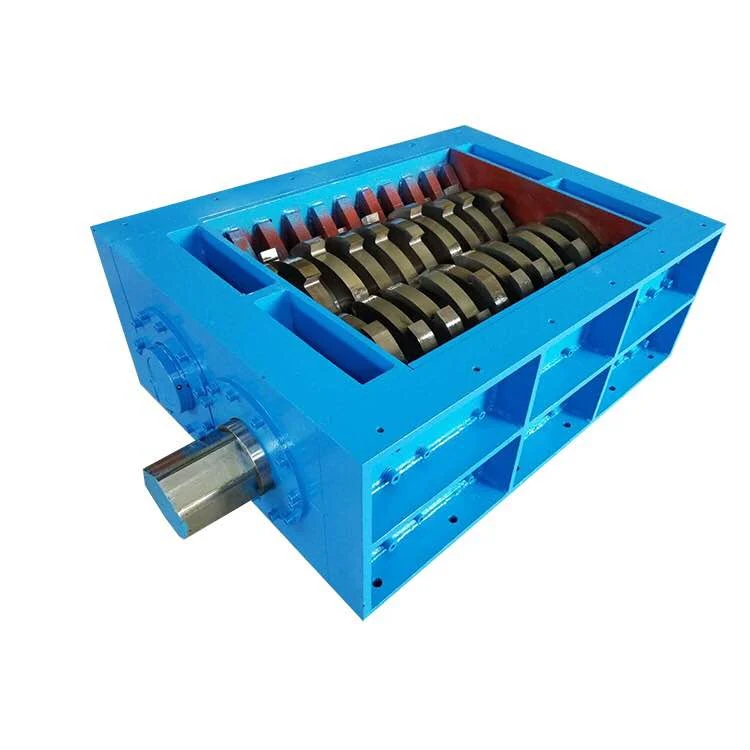
| Shaft diameter | 75 mm |
| Cutters | 24 discs; Ø180 × 12 mm; 9CrSi |
| Feed / hopper reference | 500 × 500 × 300 mm; confirm usable opening and feeding clearance |
| Reference weight | Approximately 400 kg |
| Throughput and output size | To be established for the actual material, feeding conditions and required result |
The feed / hopper reference is not a maximum permitted workpiece size. Confirm clearance, orientation and the cutting range against the actual scrap. Obtain the approved installation drawing before planning final machine placement, access and discharge handling.
Build a production-scrap sample that represents the real job
A useful runner or moulded-reject assessment connects the complete part geometry with the production pattern. Separate routine scrap from mould-change batches and occasional difficult rejects, then show which of these the compact machine is expected to handle.
- Runner frames
- Show the full branching frame, central sprue and thickest runner. Include a scale in the photographs and identify any metal inserts.
- Moulded rejects
- Record wall thickness, ribs, bosses, polymer grade and reinforcement. Two parts with a similar outside size may present different cutting loads.
- Collection pattern
- Weigh a typical bin and describe whether it arrives steadily or in batches. Include the time available to clear scrap before the next production run.
Use the cutting result to decide the next process
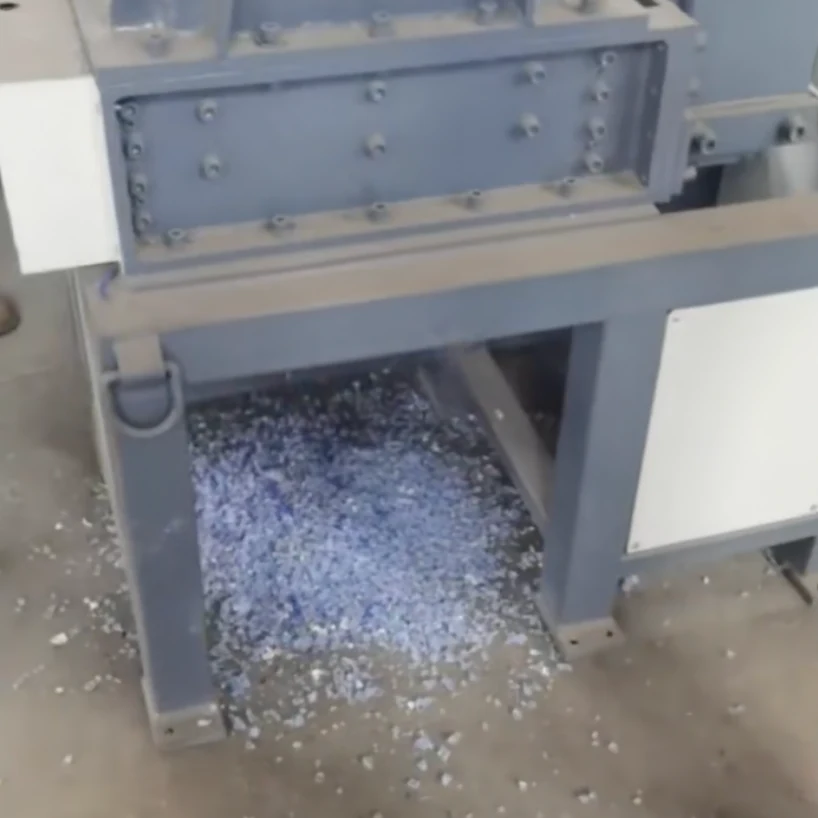
For the 300 review, inspect the complete route through feeding, cutting and discharge. A useful primary reduction result may be sufficient for handling or transfer; a downstream process requiring controlled regrind needs its own output acceptance criteria.
- Agree whether the test uses complete frames, prepared pieces or both, and keep that preparation visible in the result.
- Record how consistently the scrap enters and whether bridges or loading pauses affect the batch.
- Collect a representative output sample and assess the size distribution, long pieces and fines relevant to the next process.
- Compare the same sample with the proposed downstream equipment before deciding whether another reduction stage is needed.
Plan feeding and collection together
- Prepare the material. Confirm polymer, piece size and contamination, and agree any sorting or preparation needed before feeding.
- Review the hopper and operating method. Match the arrangement to the scrap shape, loading method, guarding and available working space.
- Define the reduction result. Describe the next process and how acceptable output will be checked. Cutting configuration and material condition affect the result.
- Arrange discharge and collection. Review a bin, bag, conveyor or other transfer arrangement as part of the project.
Hopper changes, collection equipment, guarding and control interfaces are project options to review. They are not included by implication in the reference values above. Confirm the ordered scope and site power requirements in the quotation.
When to compare another configuration
For smaller pieces and light intermittent work, compare the FY-SS01-180. For larger or tougher routine feed, review the 400 or 500. If the process needs an integrated secondary reduction stage, compare the 2S models. These alternatives are listed in the FY-SS01 configuration table.
For bulky, tough or mixed waste outside a compact workflow, review the FY-SS02 heavy-duty platform. A larger machine still needs material and process validation.
Include cleaning and material changes in the workflow
When the machine handles different production grades, plan how batches are identified and how the collection area is cleared between them. The maintenance review should follow the material actually processed, especially where fillers, reinforcement or inserts affect wear and cleaning.
- Agree inspection access, wear criteria, fastener checks and cutter-service procedures with the machine-specific documentation.
- Show the space needed to remove collected material and service components without blocking the next load of scrap.
- Confirm isolation, guarding and the response to unsuitable material before the operating method is finalised.
FY-SS01-300 Plastic Shredder — practical questions
Does a complete runner frame always need pre-cutting?
That depends on its full geometry and the approved feeding arrangement. A frame that bridges, exceeds usable clearance or has an unsuitable thick section may need preparation or a different arrangement. Compare the whole handling process when choosing.
Is the discharged plastic ready for direct reuse?
Direct reuse depends on the downstream process, material cleanliness and required size distribution. Describe the next operation and evaluate a representative output sample rather than treating all shredded plastic as finished regrind.
What distinguishes the 300 from the 300-2S?
The standard 300 and the integrated two-stage arrangement have different process layouts. Compare the required output and handling route; the presence of another cutting stage does not replace the need to define and check the final result.
Watch a rigid-plastic application example
Prepare a useful FY-SS01-300 enquiry
Send the material grade, photographs, normal and maximum piece dimensions, wall thickness, moisture and contamination. Add the amount per hour or shift, feeding method, required output condition, downstream use and destination power supply.
Where testing is required, identify representative samples and the acceptance method. An hourly processing target is a requirement to assess, not a capacity established by the 3 kW motor rating.
Discuss your FY-SS01-300 application or return to the shredder comparison.