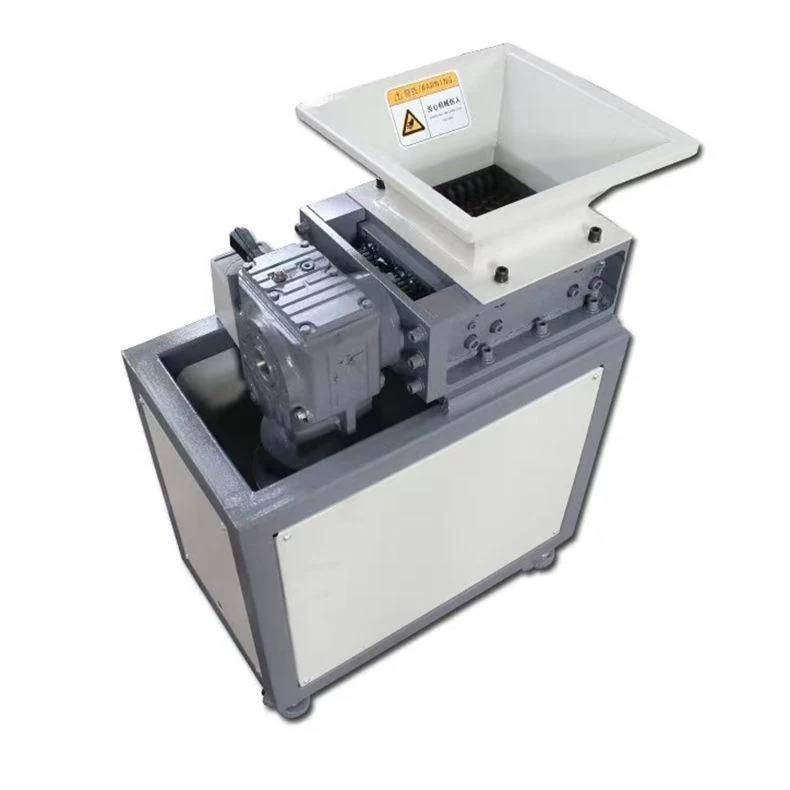
A compact reference for small parts and intermittent work
The FY-SS01-180 is the mini configuration in the FY-SS01 range. Its published reference pairs a 1.5 kW drive with 220 V single-phase supply and a 180 × 190 mm chamber. It is a starting point for small offcuts and low-volume workshop recycling where compact size matters.
Begin with the dimensions and condition of the actual pieces. The chamber reference helps frame the review, but it is not a permitted maximum workpiece size. Check orientation, feeding clearance and the cutting arrangement before selecting this configuration.
FY-SS01-180 reference specification
These published values describe a reference configuration. Final supply follows the approved quotation and drawings.
| Parameter | Reference value |
|---|---|
| Layout | Standard compact / mini |
| Drive | 1.5 kW |
| Reference supply | 220 V, single phase |
| Cutter speed | 25 rpm |
| Cutters | 21 discs; Ø90 × 8 mm |
| Chamber reference | 180 × 190 mm |
| Reference weight | Approximately 120 kg |
Cutter dimensions are diameter × thickness; the listed quantity is the disc count. Throughput and output size must be established for the actual material and feeding conditions.
Organise an intermittent small-scrap job
For a workshop or production-side review, collect a representative batch of small offcuts and rejected parts before choosing the mini configuration. Keep normal pieces and the most awkward pieces together in the assessment: a few thick sections or long branches can change the feeding task even when the total scrap quantity is modest.
- Separate the material streams
- Label each polymer and grade. Record fillers, inserts and contamination instead of combining unlike plastics into one test batch.
- Measure the complete piece
- Photograph the outside dimensions and the thickest section. A small individual branch does not describe the space required by a complete runner frame.
- Record the batch pattern
- Weigh the typical container and note how often it arrives. Distinguish occasional clearing from repeated loading throughout a shift.
Follow the material from the hopper to the collection point
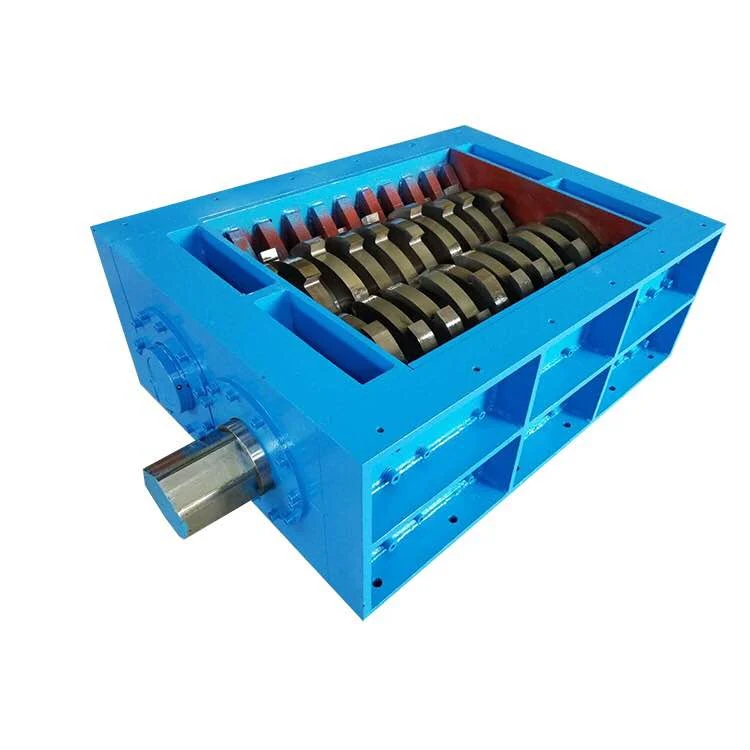
The practical review follows how the real scrap is presented to the cutters, reduced and collected. The chamber photograph below illustrates cutter engagement for discussion; the 180 reference specification above remains the basis for this model.
- Present the normal and largest pieces in the proposed orientation and check the usable feeding clearance against the drawing.
- Observe whether the material enters consistently or needs preparation because of long, branched or awkward shapes.
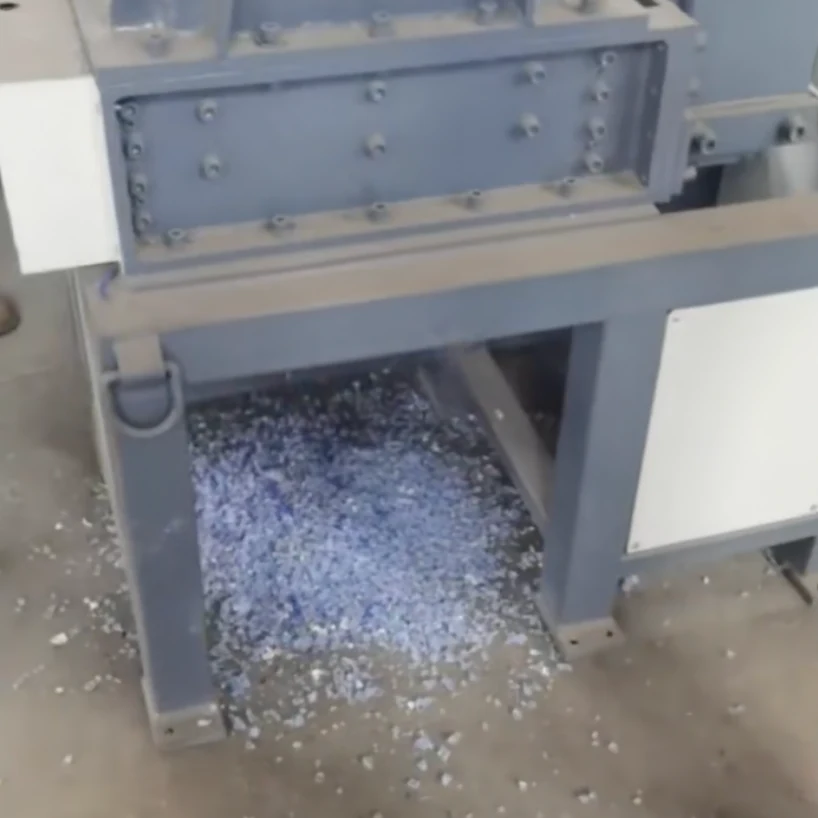
- Inspect the discharged material against its next use, such as collection, transfer or further size reduction.
- Record loading pauses and collection time alongside cutting time when assessing the useful result per batch.
Compare the mini chamber with the next compact configuration
The FY-SS01-300 has a published 3 kW reference, 24 cutters at Ø180 × 12 mm and a 500 × 500 × 300 mm feed reference. Those differences describe the reference hardware; they do not establish a throughput ratio. The 180 chamber and 300 feed reference are different measurements and should not be treated as equivalent usable openings.
Related configurations: FY-SS01-300 · FY-SS01-400.
Define a small-feed job clearly
Provide photographs of the normal and largest pieces, their material grade and thickest section. Describe whether feeding is occasional or repeated through a shift, how the scrap will be prepared and what the next process needs from the shredded output. Confirm the site supply against the ordered electrical configuration.
Send the required processing amount as a project target, along with the operating pattern and acceptance method. It is not a proven capacity derived from motor power. For branched moulding waste, use the sprue and runner checklist.
Plan a compact work area that remains accessible
Draw the route from the scrap container to the hopper and from the discharge to the collection container. Allow for the operator's normal work and for opening the machine during approved maintenance; the machine footprint alone is not the whole working area.
- Show the collection container, its removal route and the surrounding production equipment so reduced material can leave without interrupting the loading area.
- Confirm the destination electrical supply and ordered controls, including the emergency-stop and guarding arrangement.
- Ask for cleaning access, cutter inspection criteria and spare-parts identification appropriate to the actual material. Use the machine-specific isolation procedure before maintenance.
FY-SS01-180 Mini Shredder — practical questions
When should I compare the 180 with the 300?
Compare them when complete pieces, loading frequency or the required downstream result move beyond a small intermittent job. Use the same material batch and acceptance criteria for both reviews so that a different feed arrangement is not mistaken for a capacity improvement.
Can the chamber reference be used as a maximum part size?
No. The part's shape, orientation, guards and the cutter engagement area also matter. Send a photograph with scale and the full outside dimensions, then confirm the usable opening in the selected arrangement.
What should an initial trial demonstrate?
It should show manageable feeding, the resulting material and the time needed for the complete batch. Include difficult pieces and normal material conditions, and decide beforehand how the output will be judged.
Watch a compact-machine walkaround
Compare the range and prepare your enquiry
Download the FY-SS01 series selection guide (PDF) for the wider reference range, or return to the FY-SS01 series comparison.
For bulky or mixed waste outside a compact production-scrap workflow, review the FY-SS02 platform. Include FY-SS01-180 and your material details when you contact FYXFER SHRED.