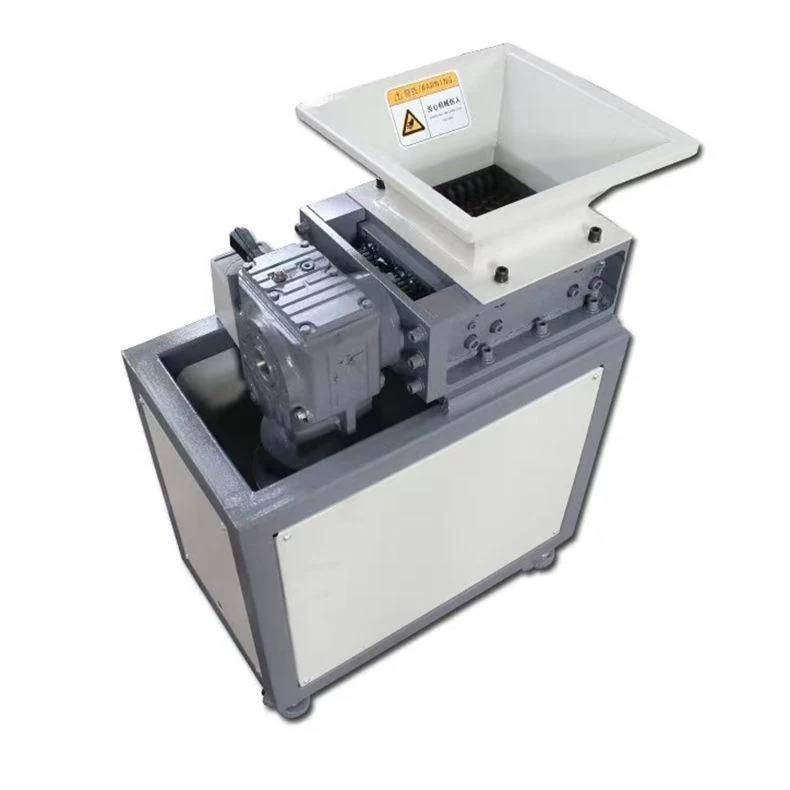
The largest published standard compact FY-SS01 configuration
The FY-SS01-500 is the largest standard compact reference listed in the FY-SS01 range. It combines a 7.5 kW drive with 24 cutters at Ø200 × 20 mm, a 15 rpm cutter-speed reference and a 700 × 700 × 350 mm feed reference. Review it for bulkier, consistent production scrap that still suits a compact factory-side workflow.
Start with material review and the actual loading arrangement. The published reference is not a guarantee that every part within the stated dimensions will feed or process successfully. Required throughput and output condition must be assessed with the material and confirmed configuration.
FY-SS01-500 reference specification
These published values describe a reference configuration. Final supply follows the approved quotation and drawings.
| Parameter | Reference value |
|---|---|
| Layout | Standard compact |
| Drive | 7.5 kW |
| Reference supply | 380 V, three phase |
| Cutter speed | 15 rpm |
| Cutters | 24 discs; Ø200 × 20 mm |
| Feed reference | 700 × 700 × 350 mm |
| Reference weight | Approximately 750 kg |
Cutter dimensions are diameter × thickness; the listed quantity is the disc count. Throughput and output size must be established for the actual material and feeding conditions.
Assess bulkier production scrap within a compact workflow
For the largest standard compact reference, give equal attention to scrap preparation and handling. Bulkier consistent feed can require a different loading route from small loose offcuts, while thick local sections and contamination still determine the cutting review.
- Describe the entire item
- Photograph complete rejected parts or groups of offcuts, with their maximum dimensions, shape and unit weight where known.
- Identify the difficult section
- Record the thickest wall or solid portion, polymer grade and reinforcement instead of relying on the apparent bulk of the piece.
- Show the proposed load
- Explain whether material arrives in individual pieces, tipped batches or from another process. Include the normal batch weight and time between loads.
Balance loading, reduction and removal
A larger compact reference is most useful when the handling route can keep pace with the cutting task. Assess the actual feed presentation and the space beneath the discharge before treating the shredder as an isolated machine purchase.
- Check the largest piece against the usable loading arrangement, including orientation and guarding clearance.
- Review whether preparation is needed to avoid awkward presentation or bridging before the cutters engage the material.
- Define the output condition needed for collection, conveying or subsequent reduction and examine a representative sample.
- Include the time and space needed to exchange collection containers or transfer material onward.
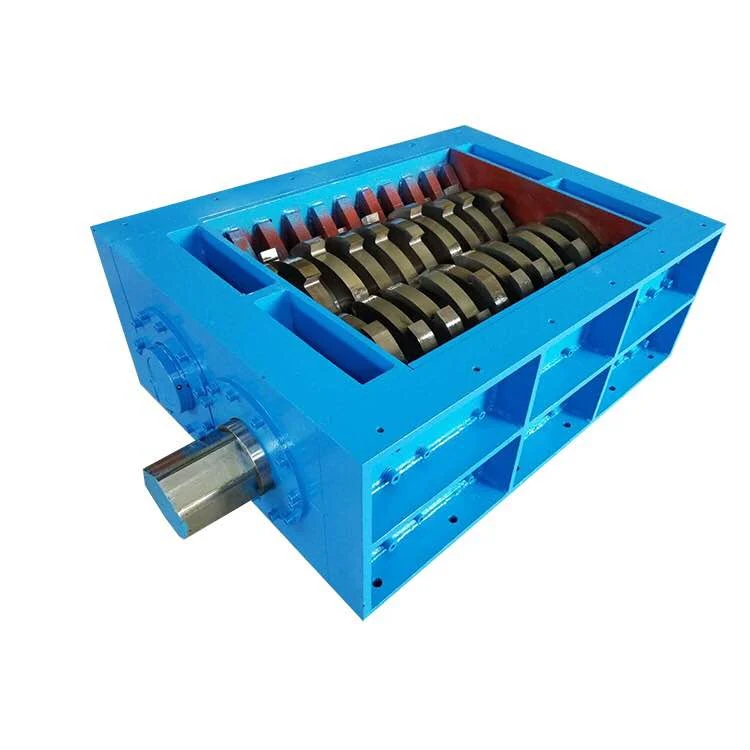
Separate a larger compact build from a two-stage process
The FY-SS01-400 lists a 4 kW drive and Ø180 × 15 mm cutters. The 500 changes both the drive reference and cutter geometry; the 7.5 kW rating alone cannot determine the processing rate. The FY-SS01-500-2S is an integrated upper/lower arrangement with separate drives. Select that route only when the process review calls for a secondary reduction stage.
Related configurations: FY-SS01-400 · FY-SS01-500-2S.
Plan how bulkier scrap reaches and leaves the machine
Describe normal and maximum piece size, shape, thickness and material consistency. Review manual or mechanical loading, the space around the hopper and the collection or transfer arrangement below the machine. For bulky mixed waste beyond a compact workflow, compare the FY-SS02 platform through the series links below.
Send the required processing amount as a project target, along with the operating pattern and acceptance method. It is not a proven capacity derived from motor power. For branched moulding waste, use the sprue and runner checklist.
Make service access part of the floor plan
The operating layout should show a clear route for incoming scrap, removal of output and planned maintenance. Confirm the supplied arrangement and drawing before fixing the surrounding conveyors, containers or platforms.
- Identify which hopper, discharge and handling equipment belongs to the machine supply and which parts are provided by the site.
- Review cutter access, component-removal space and lifting or handling needs from the final drawing rather than the model number.
- Match inspection and cleaning routines to reinforcement, dirt and foreign objects in the real feed, using the machine-specific isolation procedure.
FY-SS01-500 Compact Shredder — practical questions
When should I move from the 500 review to FY-SS02?
Review the heavy-duty platform when feed becomes bulky, tough, mixed or highly variable beyond a manageable production-scrap workflow. Show the difficult material and its handling method so the choice follows the task rather than only a larger drive.
When is the 500-2S worth comparing?
Compare the integrated two-stage route when the process requires initial reduction followed by another cutting stage within the machine. Define the intended output and downstream use before deciding whether that arrangement is useful.
Can I plan the collection bin from the feed dimensions?
No. Feed dimensions do not establish discharge height, access or collection clearance. Obtain the installation drawing and show the intended bin or transfer equipment in the layout review.
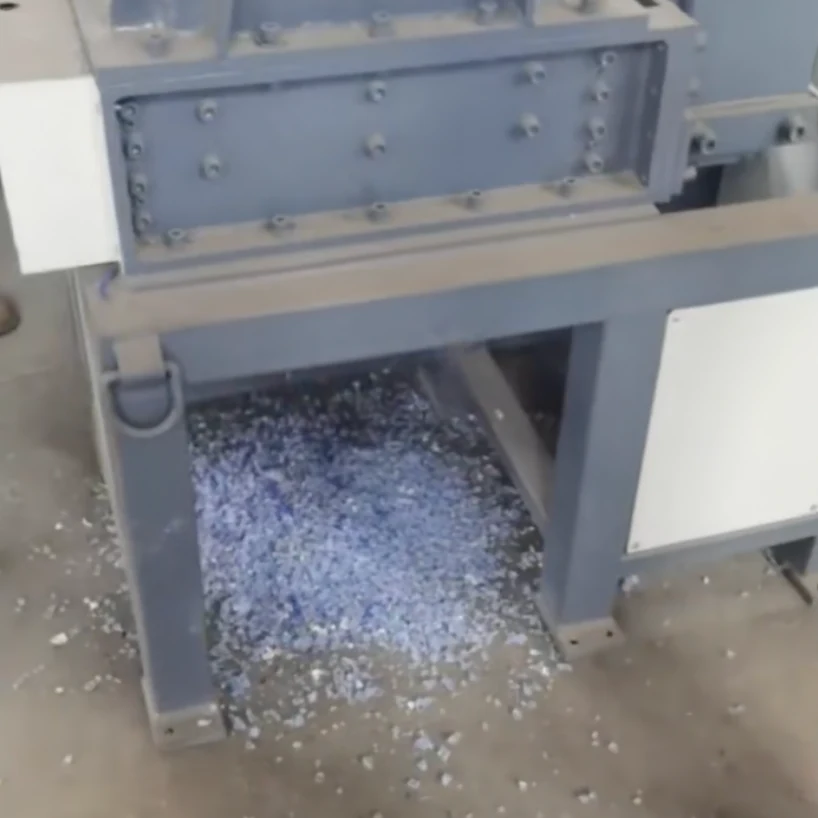
Watch a rigid-plastic application example
Compare the range and prepare your enquiry
Download the FY-SS01 series selection guide (PDF) for the wider reference range, or return to the FY-SS01 series comparison.
For bulky or mixed waste outside a compact production-scrap workflow, review the FY-SS02 platform. Include FY-SS01-500 and your material details when you contact FYXFER SHRED.