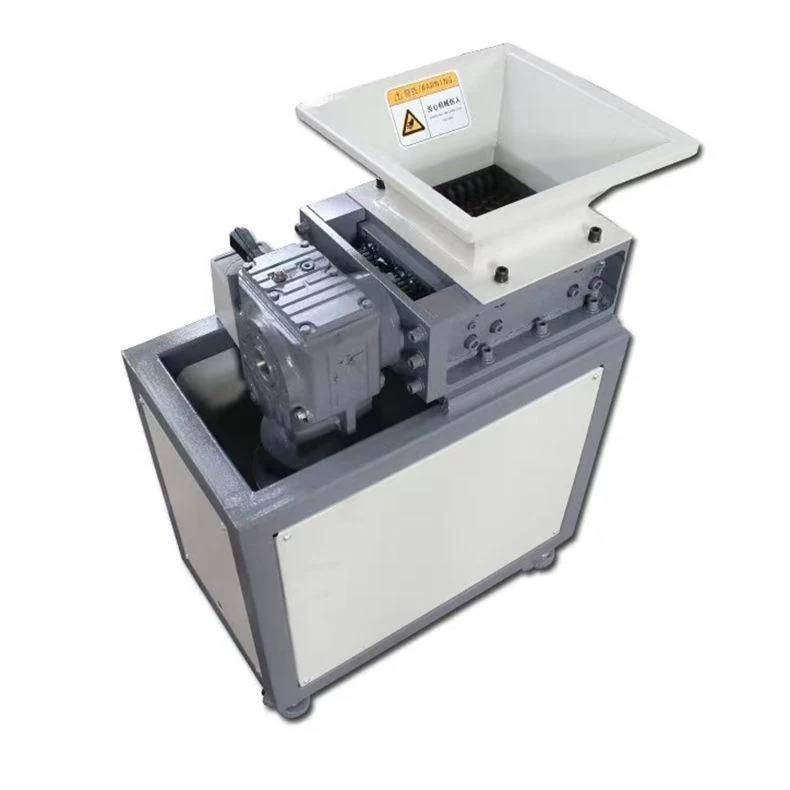
Review a wider compact feed reference for routine scrap
The FY-SS01-400 provides a different compact reference for larger routine parts after material review. Its published configuration uses a 4 kW drive, 26 cutters at Ø180 × 15 mm and a 600 × 500 × 300 mm feed reference. The listed cutter speed is 12 rpm.
Use these values to compare the machine arrangement with your piece size, wall thickness and feeding method. A larger feed reference does not confirm that a particular bulky part can be accepted whole, or that the machine will meet a specified hourly target.
FY-SS01-400 reference specification
These published values describe a reference configuration. Final supply follows the approved quotation and drawings.
| Parameter | Reference value |
|---|---|
| Layout | Standard compact |
| Drive | 4 kW |
| Reference supply | 380 V, three phase |
| Cutter speed | 12 rpm |
| Cutters | 26 discs; Ø180 × 15 mm |
| Feed reference | 600 × 500 × 300 mm |
| Reference weight | Approximately 500 kg |
Cutter dimensions are diameter × thickness; the listed quantity is the disc count. Throughput and output size must be established for the actual material and feeding conditions.
Review complete routine parts, not only nominal size
The 400 review is useful when comparing larger routine production pieces within the compact range. Build the assessment around parts from normal production as well as the thick ribs, bosses, profiles or branched sections that are hardest to present to the cutters.
- Envelope and orientation
- Record how each complete piece will enter. Include long or hollow shapes that can occupy the hopper differently from loose, flat offcuts.
- Material condition
- List polymer grades, reinforcement and inserts. Keep the dimensions of the most resistant section separate from the outside dimensions.
- Repeat loading
- Describe batch weight, frequency and the operator or upstream equipment providing the feed. A regular flow and occasional large batches are different review cases.
Check engagement, cutting and discharge as one task
The wider feed reference helps organise a dimensional review, but material behaviour still determines how the cutting task progresses. Evaluate the shape entering the machine and the result leaving it alongside the published cutter configuration.
- Use photographs and a layout to identify the intended orientation and loading method for the largest routine part.
- During a representative review, note whether the feed enters steadily or needs different preparation or presentation.
- Examine the discharged material against the size range and handling needs of the next process.
- Include discharge clearance and collection changes when estimating the sustainable result over a shift.
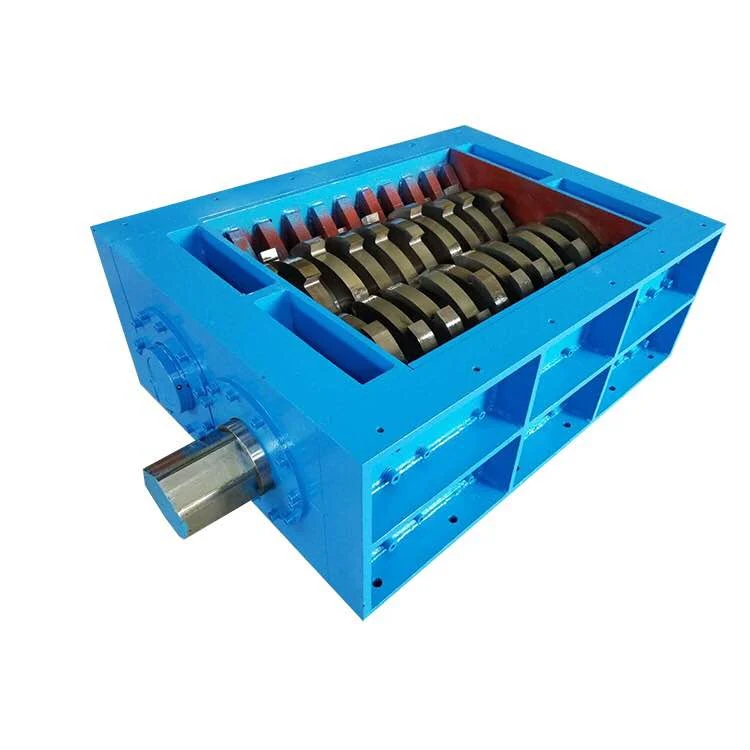
Distinguish the 400 from the 300 and the 400-2S
Compared with the FY-SS01-300 reference, the 400 lists a 4 kW drive instead of 3 kW, 26 cutters instead of 24, and 15 mm cutter thickness instead of 12 mm. Its listed speed is 12 rpm rather than 16 rpm. These are configuration differences, not a capacity conversion. The FY-SS01-400-2S adds an integrated lower cutting stage and has a separate upper-stage speed reference; it is not the same machine with a different name.
Related configurations: FY-SS01-300 · FY-SS01-500 · FY-SS01-400-2S.
Review the largest and most difficult routine parts
Send the complete dimensions of rejected parts or runner frames, as well as the thickest branch or wall. Explain the material grade, inserts and contamination, and whether the feed is rigid, awkwardly shaped or prone to bridging. The usable opening, loading method and required output should be agreed together.
Send the required processing amount as a project target, along with the operating pattern and acceptance method. It is not a proven capacity derived from motor power. For branched moulding waste, use the sprue and runner checklist.
Prepare the collection and service space
Show the loading container, collection equipment and nearby production routes on the same sketch. This makes it easier to compare the compact arrangement with a different hopper or with an integrated secondary stage without overlooking access.
- Define whether output falls into a bin or transfers onward, and identify the route for removing a full container.
- Provide access for cutter inspection and cleaning, with the isolation and guarding procedures from the supplied machine documentation.
- Identify abrasive grades and foreign material before agreeing wear checks, replacement parts and material-change cleaning.
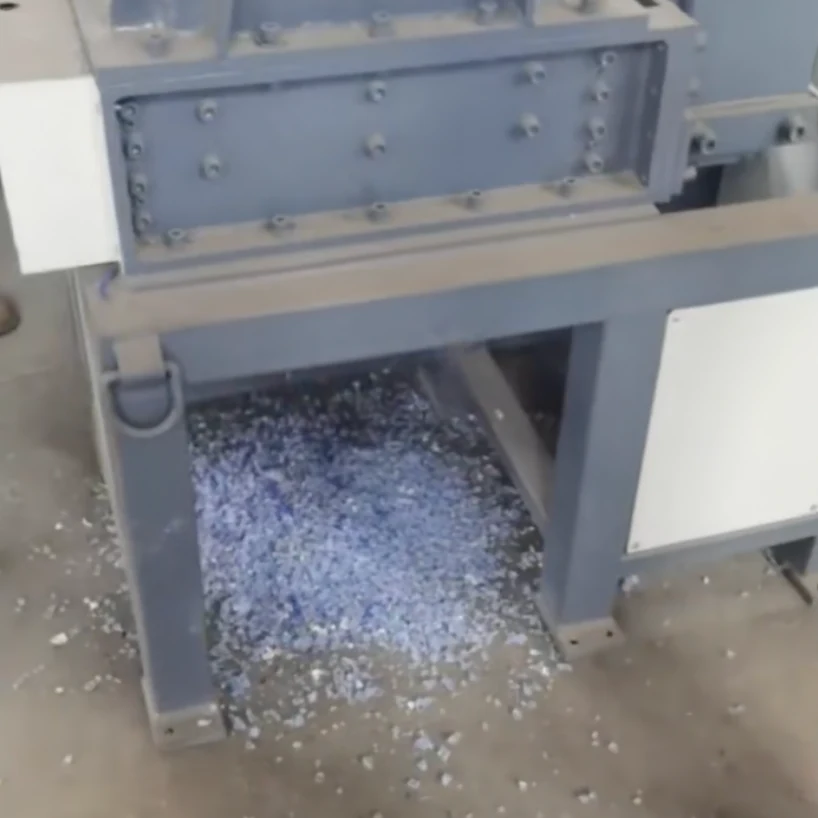
FY-SS01-400 Compact Shredder — practical questions
Why compare a 400 with the 300 using the same scrap?
Using the same representative material separates machine and feeding differences from changes in the test itself. Compare usable clearance, feed consistency, output and complete batch handling rather than scaling the result from motor power.
Does the 400 require the same process as the 400-2S?
The standard and two-stage configurations serve different process arrangements. Review whether primary reduction is sufficient or whether the project needs an integrated second cutting stage, then specify the output acceptance method.
What information matters for a thick moulded reject?
Provide the polymer and grade, reinforcement, full outside dimensions and thickest wall, rib or boss. Show inserts and contamination clearly and include a difficult representative piece in the assessment.
Watch a rigid-plastic application example
Compare the range and prepare your enquiry
Download the FY-SS01 series selection guide (PDF) for the wider reference range, or return to the FY-SS01 series comparison.
For bulky or mixed waste outside a compact production-scrap workflow, review the FY-SS02 platform. Include FY-SS01-400 and your material details when you contact FYXFER SHRED.